Quando
Quando Il barone rampante Il visconte dimezzato e Il cavaliere inesistente per te significano una grande avventura e per loro una palla esagerata.
Quando Serge Gainsbourg e Jacques Brel sono per te grandi e per loro una palla esagerata.
Quando facevi parte di un gruppo anobiano di gente che leggeva più di 30 libri all’anno e ti sentivi una chiavica perchè quell’anno ne avevi letti solo una quindicina e per loro un esame da tre libri è una palla esagerata.
Quando il tuo ideale di Fantastico! è una mostra monografica su Klimt gratis e per loro: klimt chi?
Quando i loro occhi sono grandi e luminosi così grandi e così luminosi e belli, e tu devi usare il contorno occhi e mezzo kilo di ombretto luminescente con matita brillantinata, ma l’effetto non è lo stesso.
Quando voglio andare/fare/posso diventare/ e tu pensi: questo mi serve per questo e questo per quest’altro.
Qunado tu c’hai un’età e loro non ho l’età.
I 100 libri della BBC

In facebook gira questo meme o “catena di sant’Antonio”, che vorrebbe la BBC impegnata in un sondaggio sul numero di libri letti in una lista di 100 titoli. Il meme riporta che “la maggior parte delle persone ha letto solo 6 libri tra questi 100”. In realtà la BBC si era limitata a stilare una lista di 100 titoli favoriti nel Regno Unito, qui. La lista rimaneggiata e associata alla falsa notizia sta facendo il giro della terra. Chiarita la questione e volendo partecipare al gioco incollo di seguito la lista che circola in lingua italiana, in neretto ci sono i libri che ho letto io, sono più di 6 😉
Freddimercuri di Filippo Timi
Dizionario Affettivo della Lingua Italiana.
Runs In The Family “Who Killed Amanda Palmer”
My friend has problems with winter and autumn
they give him prescriptions, they shine bright lights on him
they say it’s genetic, they say he can’t help it
they say you can catch it – but sometimes you’re born with it
my friend has blight he gets shakes in the night
and they say there is no way that they could have caught it in
time takes its toll on him, it is traditional
it is inherited predisposition
all day i’ve been wondering what is inside of me, who can i blame for it
i say:
it runs in the family, this famine that carries me
to such great lengths to open my legs
up to anyone who’ll have me
it runs in the family, i come by it honestly
do what you want ‘cause who knows it might fill me up
my friend’s depressed, she’s a wreck, she’s a mess
they’ve done all sorts of tests and they guess it has something to do
with her grandmother’s grandfather’s
grandmother civil war soldiers who
badly infected her
my friend has maladies, rickets, and allergies that she dates back to
the 17th century
somehow she manages – in her misery – strips in the city
and shares all her best tricks with me?
well, i’m well. well, i mean i’m in hell. well, i still have my health
(at least that’s what they tell me)
if wellness is this, what in hell’s name is sickness?
but business is business!
and business
runs in the family, we tend to bruise easily
bad in the blood i’m telling you ‘cause
i just want you to know me
know me and my family
we’re wonderful folks but
don’t get too close to me ‘cause you might knock me up
mary have mercy now look what i’ve done
but don’t blame me because i can’t tell where i come from
and running is something that we’ve always done
well and mostly i can’t even tell what i’m running from
i run from their pity
from responsibility
run from the country
and run from the city
i can run from the law
i can run from myself
i can run for my life
i can run into debt
i can run from it all
i can run till i’m gone
i can run for the office
and run from the ‘cause
i can run using every last ounce of energy
i cannot
i cannot
i cannot
run from my family
they’re hiding inside me
corpses on ice
come in if you’d like
but just don’t tell my family
they’d never forgive me
they’ll say that i’m crazy
but they would say anything if it would
shut me up…..
Zaha Hadid – MAXXI Museum Art XXI
This is What a Feminist Looks Like
Prima di tutto vennero a prendere gli zingari
Berlino, 1932
Prima di tutto vennero a prendere gli zingari
e fui contento, perché rubacchiavano.
Poi vennero a prendere gli ebrei
e stetti zitto, perché mi stavano antipatici.
Poi vennero a prendere gli omosessuali,
e fui sollevato, perché mi erano fastidiosi.
Poi vennero a prendere i comunisti,
ed io non dissi niente, perché non ero comunista.
Un giorno vennero a prendere me,
e non c’era rimasto nessuno a protestare.
Questo testo, nel web, viene comunemente attribuito a Bertold Brecht, ma non è suo ma del del pastore Martin Niemöller. In realtà l’erronea attribuzione è precedente alla nascita del web, benché negli ultimi anni la codivisione massiccia del testo – una versione dell’originale – attraverso i social network, ha contribuito a diffondere l’errore.
Per un approfondimento qui e qui.
Zaha Hadid

“the works on show reflect hadid’s vision
of a new urbanism which blends art, architecture and design.”
Fonte: designboom.com
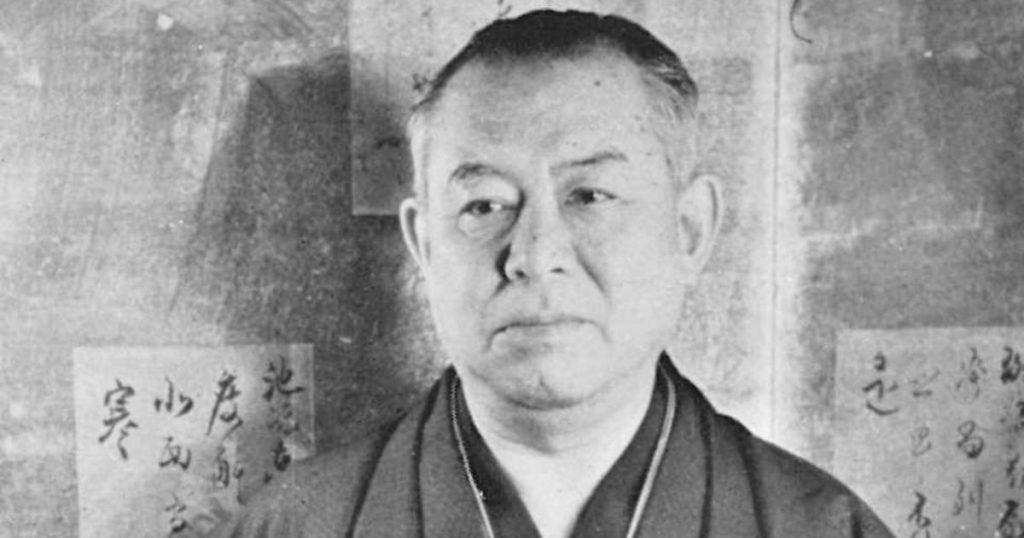
Una coincidenza Tanizaki e Pirandello
L’escrescenza dalla faccia umana (Jinmensō), 1918 novella di Tanizaki Junichiro che non conoscevo, narra del tumore al ginocchio di una donna, che assume le sembianze dell’amante, e che compare e scompare a seconda delle situazioni, mi ha ricordato, con tutte le dovute cautele, L’uomo dal fiore in bocca di Pirandello e, andando a cercare l’anno di pubblicazione, ho notato che la novella Caffè notturno, dalla quale è tratto l’atto unico, è proprio del 1918.
Chissà se l’uno aveva letto l’altro, se solo si conoscevano letterariamente, o se c’è una relazione reale tra le due novelle, visto che quella di Tanizaki pare fosse scritta pensando a una trasposizione cinematografica, venne poi realizzata, sceneggiata e trasformata, nel 1983 da Takechi Tetsuji, mentre l’altra di Pirandello è diventata un atto unico nel 1923. Coincidenze. Forse non c’è relazione invece.
I rapporti tra il concetto di maschera, il conflitto tra vita e forma, nodo della produzione pirandelliana, e il rapporto tra convenzioni e vita reale, oggi virtualità e realtà, tipici della cultura giapponese, è sorprendente.
Noti i rapporti tra Kurosawa e le tematiche pirandelliane.
La stessa Storia di Tomoda e Maztunaga, sempre di Tanizaki, può ricordare, in qualche modo, Il fu Mattia Pascal.
Chissà se l’uno aveva letto l’altro, se solo si conoscevano letterariamente, o se c’è una relazione reale tra le due novelle, visto che quella di Tanizaki pare fosse scritta pensando a una trasposizione cinematografica, venne poi realizzata, sceneggiata e trasformata, nel 1983 da Takechi Tetsuji, mentre l’altra di Pirandello è diventata un atto unico nel 1923. Coincidenze. Forse non c’è relazione invece.
I rapporti tra il concetto di maschera, il conflitto tra vita e forma, nodo della produzione pirandelliana, e il rapporto tra convenzioni e vita reale, oggi virtualità e realtà, tipici della cultura giapponese, è sorprendente.
Noti i rapporti tra Kurosawa e le tematiche pirandelliane.
La stessa Storia di Tomoda e Maztunaga, sempre di Tanizaki, può ricordare, in qualche modo, Il fu Mattia Pascal.
 lillascen
Devi effettuare l'accesso per postare un commento.